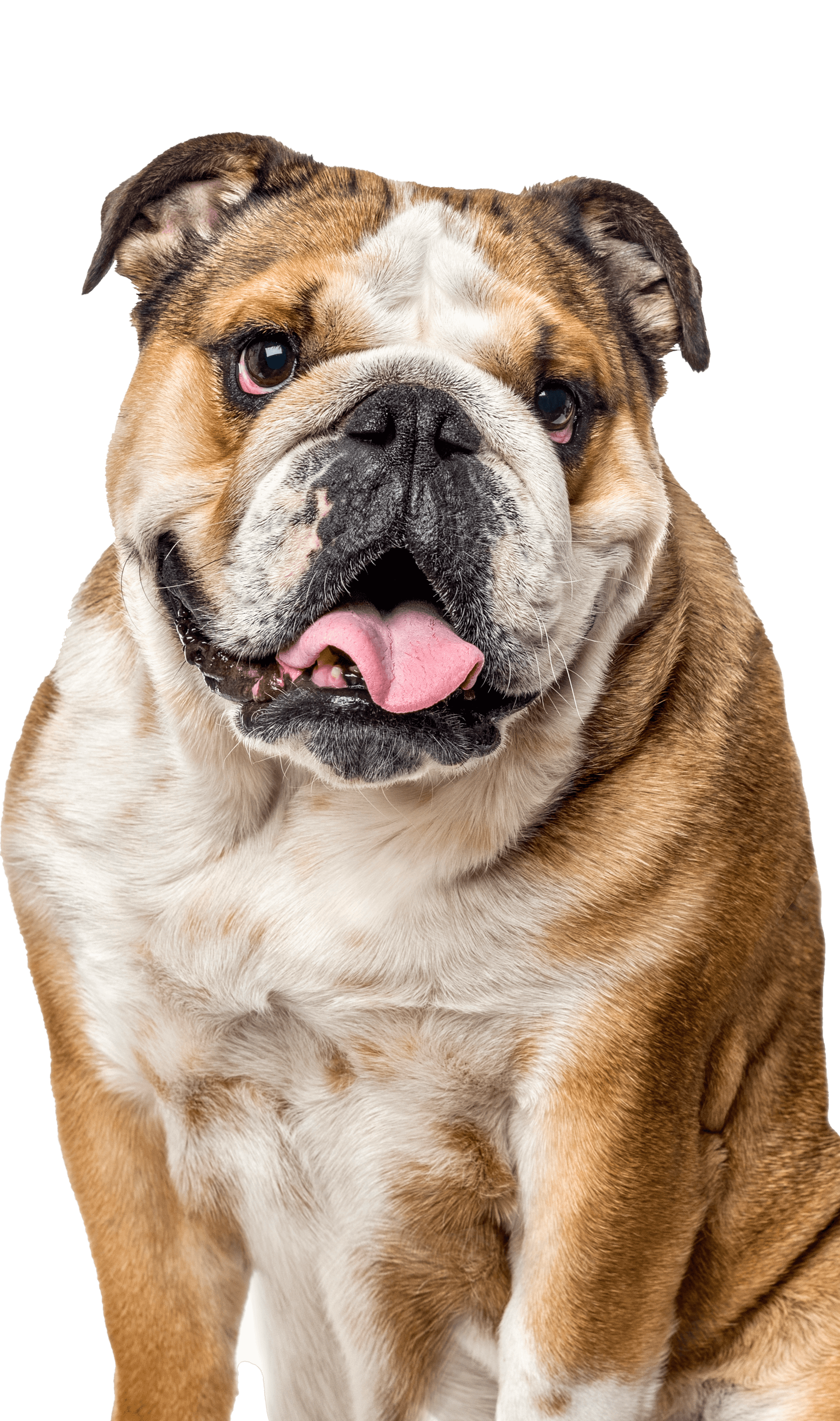
If your dog has been scratching more than usual, dealing with dry skin, shedding excessively, or losing that soft, shiny coat they once had, their skin and coat may be trying to tell you something.
A dog’s skin is the body’s largest organ and one of the first places where health issues can appear. From nutrition deficiencies to environmental irritants, skin and coat issues can impact your dog’s comfort, appearance, and overall wellness. The good news? Supporting healthy skin and a shiny coat often starts with a few simple habits at home.
Here are some of the most common signs of skin and coat issues in dogs:
- Excessive licking or scratching, often in the same spots
- Hot spots, or painful, itchy patches of inflamed skin
- Dry, flaky skin
- Greasy skin
- Bald patches
- Redness, rashes, or sores
- Dry, dull coat
What causes these issues varies widely. They can include:
- Poor nutrition
- Environmental irritants
- Allergies
- Stress
- Dry air
- Insect bites or parasites
- Infections, disorders, or diseases
Fortunately, there are ways to maintain healthy skin and coat and help prevent these uncomfortable and unsightly conditions. Let’s dive into the two most important things you can do at home to support your dog’s skin and coat.
1. Support Skin & Coat Health Through Nutrition
Poor diet is one of the biggest contributing factors to poor skin and coat health. Two of the most important nutrients for promoting healthy skin and coat are:
Protein
Look for food with high amounts of protein from high-quality animal sources, like real chicken, fish, lamb, or beef. Protein plays a fundamental role in skin cell renewal and hair growth. After all, hair is mostly composed of protein!
Omega-3 Fatty Acids
Omega-3 fatty acids are one of the most important nutrients for dogs with dry skin or dull coats. Omega-3s help support healthy skin hydration, maintain softness and shine, and balance inflammation in the body.
Many commercial dog foods contain higher levels of omega-6 fatty acids than omega-3s, which can contribute to irritation and inflammation over time. Adding omega-rich treats or supplements can help restore balance.
Some of the best natural sources of omega-3s for dogs include:
- Wild-caught salmon
- Fish oil
- Flaxseed
- Pollock oil
- Algae oil
Omega-3 to Omega-6 Ratios

Feeding your dog omega-3 treats and supplements helps balance omega ratios for optimal health. Benefits of omega-3s, like EPA and DHA, include:
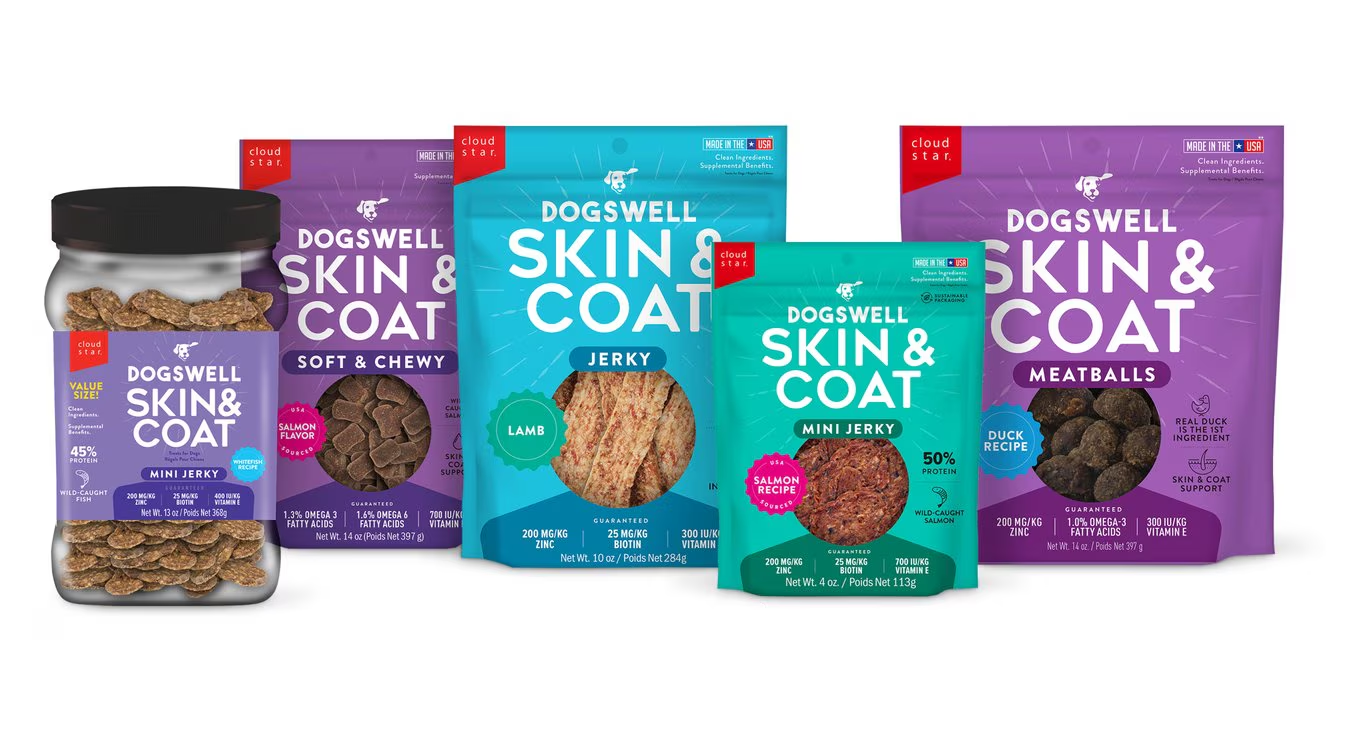
Dogswell Skin & Coat treats help support skin and coat health with ingredients like salmon oil, flaxseed, vitamin E, and biotin. And they’re easy to give, with delicious salmon, duck, or lamb as the first ingredient.
Omega-3 supplements like Grizzly omega oils provide high quantities of omega-3s from wild-caught Alaskan salmon and pollock. When shopping for fish oil, always look for ones sourced from wild-caught fish, which have higher quantities of omega-3s than farmed fish.

2. Stay Consistent With Grooming & Skin Care
Nutrition is only one part of maintaining healthy skin and coat health. Consistent grooming and routine skin checks are equally important.
Brush Your Dog Regularly
Brushing helps:
- Remove loose fur and dead skin
- Distribute natural oils throughout the coat
- Reduce matting and tangles
- Improve circulation
- Support a shinier appearance
Even short-haired dogs benefit from regular brushing.
Check Your Dog’s Skin Frequently
Take time to inspect your dog’s skin and coat for:
- Redness
- Bumps or sores
- Fleas or ticks
- Dry patches
- Excessive shedding
- Hot spots
For occasional skin abrasions and irritation, using Dogswell’s first aid products at home can help soothe and speed recovery.
Avoid Over-Bathing
Bathing your dog too frequently can strip away natural oils and dry out the skin. Use a moisturizing, fragrance-free shampoo designed specifically for dogs and only bathe when necessary.
When to Talk to Your Veterinarian
While mild dryness or occasional itching can often be managed at home, persistent symptoms should always be evaluated by your veterinarian.
Schedule a vet visit if your dog experiences:
- Severe itching
- Open sores
- Hair loss
- Persistent redness
- Signs of infection
- Ongoing discomfort
Underlying allergies, infections, parasites, or medical conditions may require additional treatment.
Help Your Dog Look & Feel Their Best
Healthy skin and a shiny coat are often signs of overall wellness. By focusing on proper nutrition, omega-rich supplements and treats, and consistent grooming habits, you can help support your dog’s comfort and appearance year-round.